How to stop anxiety shrinking your life: psychologist Dr Julie Smith's tools
How to stop anxiety: clinical psychologist Dr Julie Smith says avoidance makes fear grow, so face it in small, planned steps and treat feelings as information.
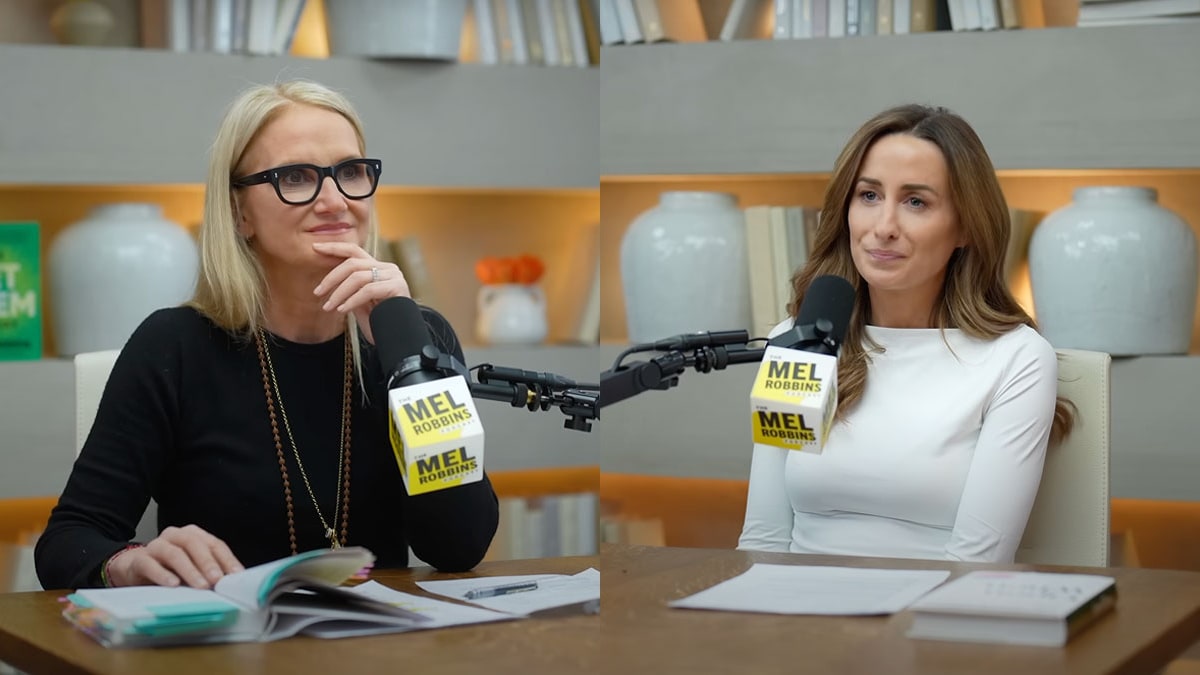

Anxiety gets smaller when you stop running from it, says Dr Julie Smith, a UK clinical psychologist and author of Why Has Nobody Told Me This Before?. On The Mel Robbins Podcast she explains why avoidance feels good today but quietly shrinks your life, and how to take it back one small step at a time. The video above plays only that part of the episode.
The short version
- Anxiety is an experience, not a broken brain. Smith says it is not “something that’s wrong in your brain”.
- Drop the judgement that follows the feeling. The extra thought, “this means I’m weak”, is what makes it heavier.
- Treat the feeling as information. Then ask if it fits the situation, or if poor sleep, too little water or too much coffee is turning up the volume.
- Move your spotlight. Attention that always points at the future keeps you anxious.
- Avoidance lies. The relief is real, so it becomes a habit, and over time your life gets smaller.
- Face fear in small, repeated steps, starting with something that feels manageable.
What does Dr Julie Smith say about anxiety?
Smith starts by separating the feeling from the story we attach to it. Many people feel anxious and then judge themselves for it. She suggests noticing that judgement and letting it go, then turning towards the feeling “with curiosity”, because, in her words, all emotion is information.
The next question is whether the reaction is in proportion. A body that slept badly, skipped water and ran on coffee can react to a normal day as if it were a crisis. Uncertainty does something similar: she explains that in new or unclear situations the brain raises your alertness so you are ready for anything, and you feel that as stress.
On overthinking, she describes attention as a spotlight. You do not have to wipe out worrying thoughts. Step back, take a bird’s-eye view of what is going on in your head, and choose where the light goes.
Why does avoiding things make anxiety worse?
This is the heart of the clip. Each time you skip the thing you fear, you get a wave of relief: phew, not today. Smith says that relief makes avoidance “quite addictive”, and that it “makes fear worse over time” because your brain never learns you could have coped. Mel Robbins adds her own example of a period when she had to tell herself to leave the house at least once a day.
The way back, Smith says, is gradual. First rate the main areas of your life by how much they matter to you and how well you are living them; she stresses that this is a guide for where to put your attention, not a tool for self-criticism. Then list feared situations from easiest to hardest, start with one that feels manageable, “dip your toe in” and repeat it until it becomes ordinary. Each repeat is evidence that you can cope.
Our take
This is mainstream, well-tested psychology. Gradual exposure, facing fears in planned steps, is at the centre of the cognitive behavioural therapy that the NHS and NICE recommend for anxiety problems, including social anxiety. The tips on sleep and caffeine are common sense rather than a cure, but they matter more than people think.
In Pakistan, avoidance often hides behind good excuses: skipping a viva, letting a sibling make the phone call to the bank, staying home from a family wedding because “log kya kahenge”. In a joint family it is easy for others to quietly do the scary things for you, which feels kind but keeps the fear alive.
One caution: self-help exposure suits everyday fears. If anxiety stops you from working, studying or leaving home, or comes with panic attacks, start with a doctor or a qualified psychologist rather than doing it alone.
Try this today
- Write down one thing you have been avoiding this month.
- Break it into three smaller steps and do only the first one today.
- When anxiety rises, name it (“this is anxiety”) and check your basics: sleep, water, chai and coffee count.
- Do the same small step again tomorrow before moving up.
This article is for general information and is not medical advice.
Other parts of the episode
Sources
This story was researched and drafted with AI assistance, then checked and edited by our editor before publishing.