How to stop sugar cravings: what neuroscientist Dr. Scott Kanoski told Huberman Lab
Cravings are learned and can change. Neuroscientist Dr. Scott Kanoski explains on Huberman Lab how diet shapes what you want, and how memory of meals helps.
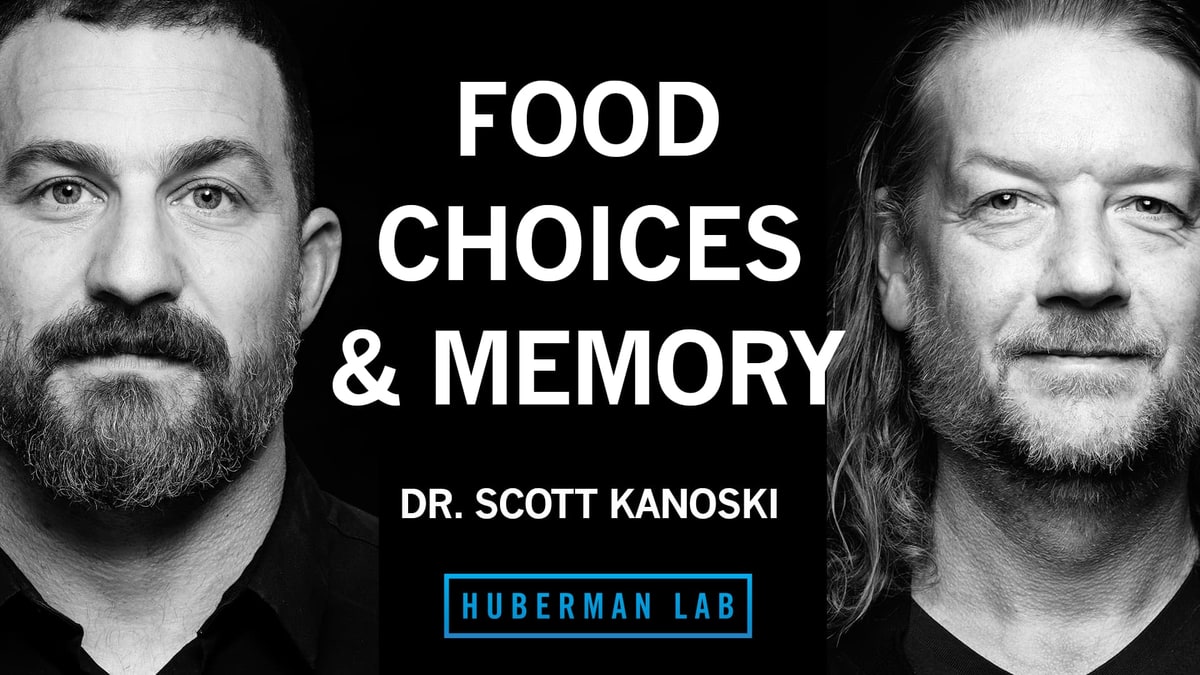

Food cravings are not fixed: what you eat regularly helps decide what you want, and cutting back on sugar can make sweet foods taste too sweet after a while. That is the core of a segment on Huberman Lab with Dr. Scott Kanoski, a professor of human and evolutionary biology and neurobiology at the University of Southern California who studies how food affects the brain.
The full conversation runs over two hours. The clip above is the six-minute part on dopamine and changing cravings (1:43:39 to 1:49:50).
The short version
- Dopamine is about wanting and motivation, not just pleasure.
- What feels rewarding depends on what your body needs right now: plain food tastes great when you are hungry.
- Preferences shift. Eat less sugar for a while and foods you used to love can start tasting too sweet.
- Remembering your last meal clearly may help you snack less later.
- Most of the memory-and-sugar evidence comes from rats, so treat it as a warning sign, not a verdict.
What does Dr. Kanoski’s research say about cravings?
In the episode, Kanoski and Andrew Huberman separate two things people usually lump together: liking a food and wanting it. Dopamine is tied to the wanting. Sweet and fatty foods switch on reward pathways, but so does need. Water is wonderful when you are thirsty and boring when you are not.
The practical part is plasticity. The foods you eat often become the foods you crave, and after cutting back on sugar, many people find their old favourites cloying. The pair are honest that scientists have not fully mapped the dopamine changes behind this.
Earlier in the conversation (from 26:50), they discuss studies where memory changed appetite. In one, people reminded of the pizza they ate at lunch ate fewer cookies later. Kanoski’s own lab work explains why he cares: in rats, a daily sugary drink in adolescence led to memory problems in adulthood, linked to changes in gut bacteria, a 2021 study from his lab found, as USC reported.
Our take
The cravings advice is well supported and low risk. Taste adaptation after cutting sugar is something many people notice themselves, and the WHO already advises keeping free sugars below 10% of daily energy.
The memory findings are more cautious. Most come from rodents, and the human “remember your lunch” studies by Professor Suzanne Higgs at the University of Birmingham were small. Still, the idea that eating with attention helps is cheap to try.
In Pakistan, where chai with two or three spoons of sugar, mithai at every occasion and sweet bottled drinks are normal, the slow-reduction approach is realistic. Nobody is asking you to skip the wedding dessert. Exam students and office workers who snack at their desks may get the most from the attention tip.
Try this today
- Cut the sugar in your chai by half a spoon this week, and another half next week.
- Eat one meal today without your phone, and notice its taste and texture.
- Swap one sweet drink for water or lassi without sugar.
- Give it two to three weeks before judging; preferences shift slowly.
Other parts of the episode
- 26:50 Memory, meals, stress and why one eating schedule does not suit everyone.
- 33:42 What a Western, high-sugar diet does to memory in animal studies.
- 1:21:05 Interoception: how the brain reads hunger and fullness signals.
- 1:56:43 Why people eat more in company, and the role of oxytocin.
This is a summary for general information, not medical advice. If you have diabetes or an eating disorder, or are thinking about weight-loss medicines, talk to your doctor before changing your diet.
Sources
- Huberman Lab: How Food Choices Shape Memory, Cognition & Cravings | Dr. Scott Kanoski (episode page)
- Podcast Notes: Dr. Scott Kanoski on Huberman Lab
- USC Dornsife: Research shows how a sugary diet early in life could mean memory trouble later
- University of Birmingham: Remember your lunch if you want to avoid afternoon snack
- WHO: Healthy diet fact sheet
This story was researched and drafted with AI assistance, then checked and edited by our editor before publishing.