Pepe Escobar on Munir in Tehran: what the analyst says Pakistan carried, and what we can't confirm
On Transition Protocol, Pepe Escobar says Munir brought an IAEA-for-money offer that Iran won't take. Here is his view, and how it compares with the record.
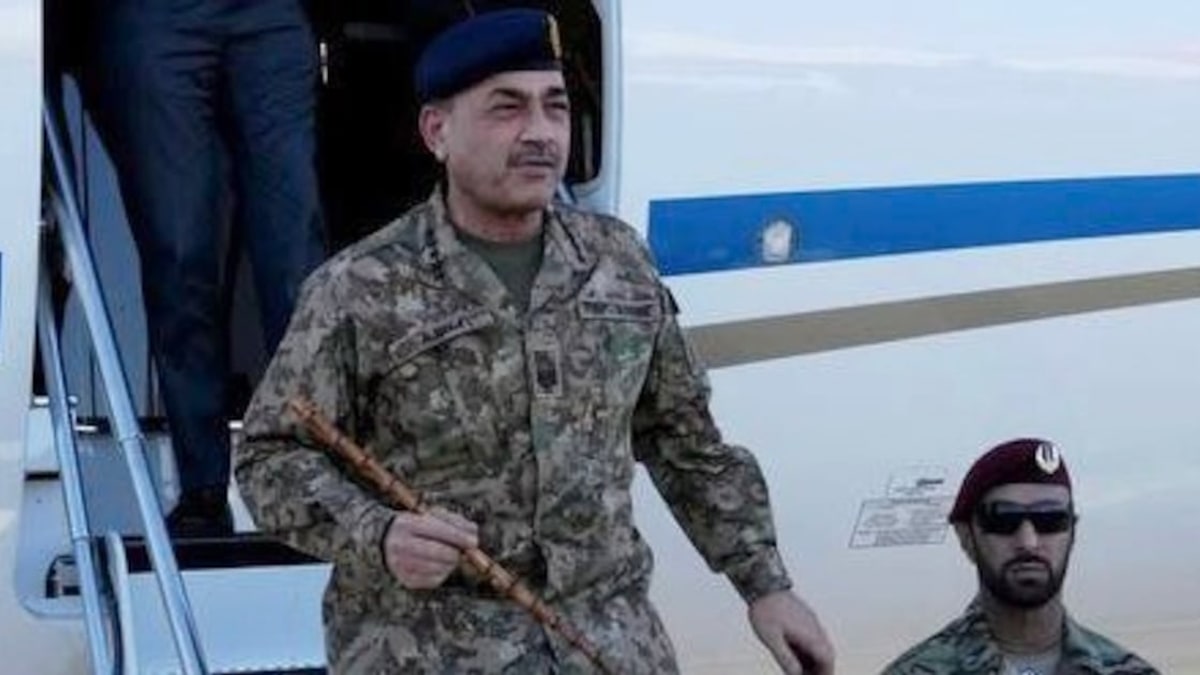

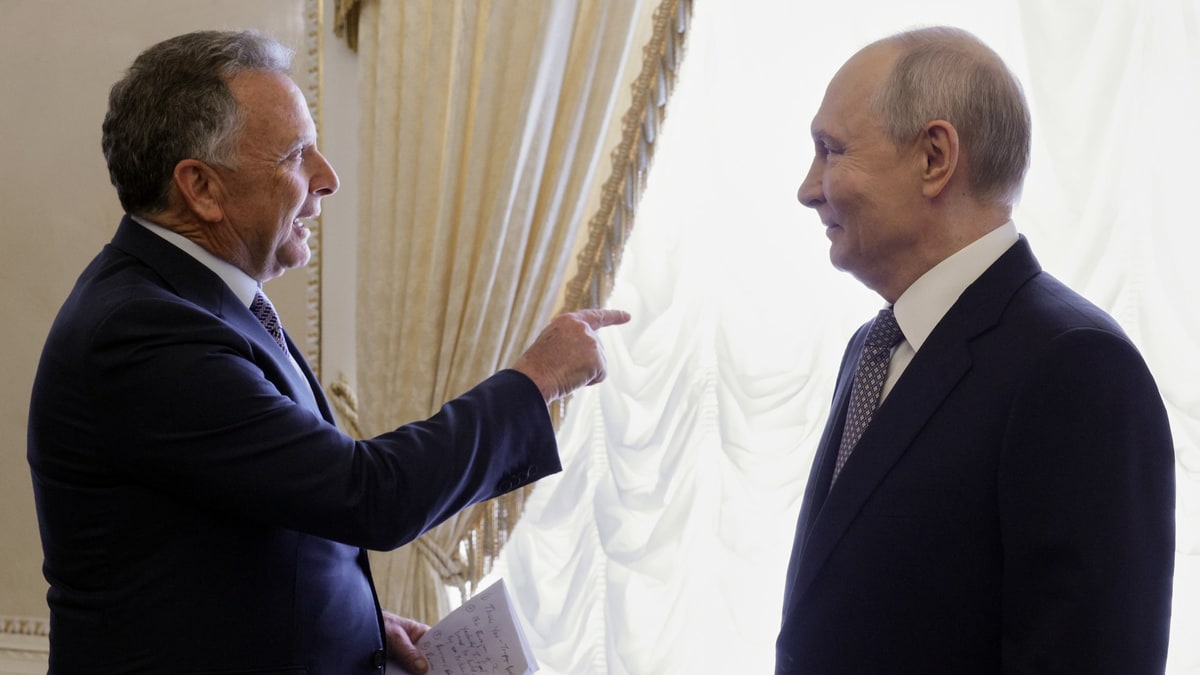
Brazilian journalist Pepe Escobar is one of the most-watched commentators on the Iran war in Pakistan, mainly through his regular appearances on the Transition Protocol channel hosted by Zulfiqar Ali. His latest episode, posted on October 20, is about Field Marshal Asim Munir’s trip to Tehran.
This is analysis and opinion, not news reporting. Below we separate what Escobar argues from what has been confirmed by news agencies.
What Escobar argues
Based on the episode’s published notes and a German write-up of the interview on Uncut News:
- The offer: Escobar says Munir carried a proposal for “a quiet return of IAEA inspectors” to Iran, in return for little more than the interest on Iran’s roughly $6 billion held in Qatar.
- Iran’s answer: He expects Tehran to say no, arguing the offer is far too small for the Revolutionary Guards to accept. He believes Iran wants the naval blockade ended, frozen funds released and sanctions lifted, which he thinks Washington will refuse.
- US timing: In his view, Washington wants an Iranian concession before the November 3 midterm elections.
- Pakistan under pressure: He says sanctions, the IMF and closed border gates are squeezing Pakistan-Iran trade, with crossings shut by day and open at night for perishable goods. He suggests barter trade, the way Russia trades with Iran, as a way around bank sanctions.
- Saudi Arabia and Yemen: The host, Zulfiqar Ali, says Saudi Crown Prince Mohammed bin Salman is pressing Pakistan to lean on the Houthis, and that Islamabad will not go along. Escobar argues the Mecca defence pact could be used to pull Pakistan and Turkey into Yemen. Pakistan denies having troops there.
- Balochistan: He raises a scenario in which outside powers stir trouble across the Pakistan-Iran border. He presents this as a possibility, not a fact.
What the public record says
- Munir did go to Tehran on October 20 and met President Pezeshkian, Speaker Ghalibaf and security chief Mohsen Rezaei.
- Reuters reported that Iranian officials told him there would be no talks until Iran’s demands were met, and that they saw little chance of a breakthrough before the US vote. That fits Escobar’s prediction.
- An Arabic outlet did report a Qatari-Pakistani plan involving interest on the $6 billion in exchange for nuclear access, but no official has confirmed it, and an Iranian MP’s spokesman denied any new initiative.
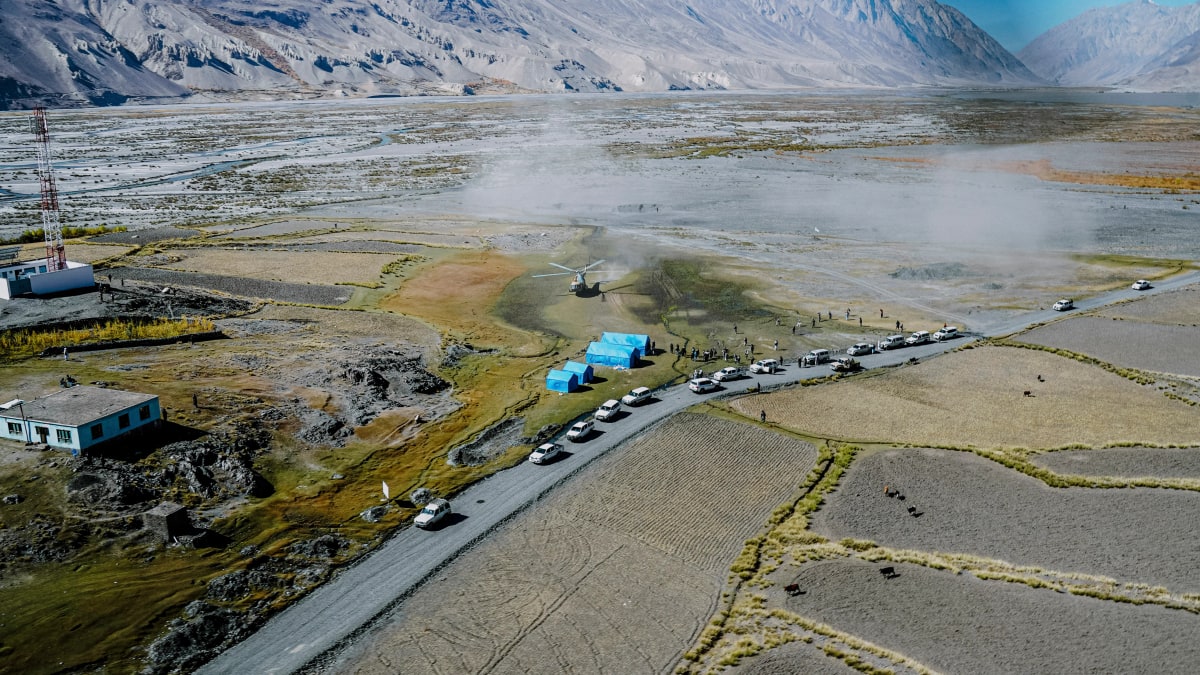
- The episode’s own notes say several details, including three Black Hawk helicopters near the border and a delegation from Najran, have not been located in public reporting. Claims credited to the host’s sources in Islamabad and Rawalpindi also cannot be checked.
Our take
Escobar is worth listening to for the big picture: how Russia, China, Iran and the Gulf see this war. But he is openly sympathetic to Iran and Russia, and these shows mix sourced facts with anonymous tips and predictions. Enjoy the analysis, and check the headlines against wire reports before forwarding them on WhatsApp.
Sources
This story was researched and drafted with AI assistance, then checked and edited by our editor before publishing.