Israel votes on October 27: can Gadi Eisenkot end the Netanyahu era? The election explained
Polls put Eisenkot's bloc narrowly ahead, but nobody is near 61 seats. How the vote works, who is running and what it means for the region.
Israel holds a general election on Tuesday, October 27, and polls suggest Benjamin Netanyahu could be replaced. With Israel at war with Iran, the result matters far beyond Israel.
How it works
- Israelis vote for parties, not individual candidates, to fill the 120-seat parliament, the Knesset.
- A party needs at least 3.25% of the vote to win any seats.
- To form a government, a leader needs a coalition of 61 seats.
- Official results are due by November 4.
The Knesset dissolved on July 17 after completing its four-year term, amid coalition fights, especially over military service for ultra-Orthodox men.
The main players
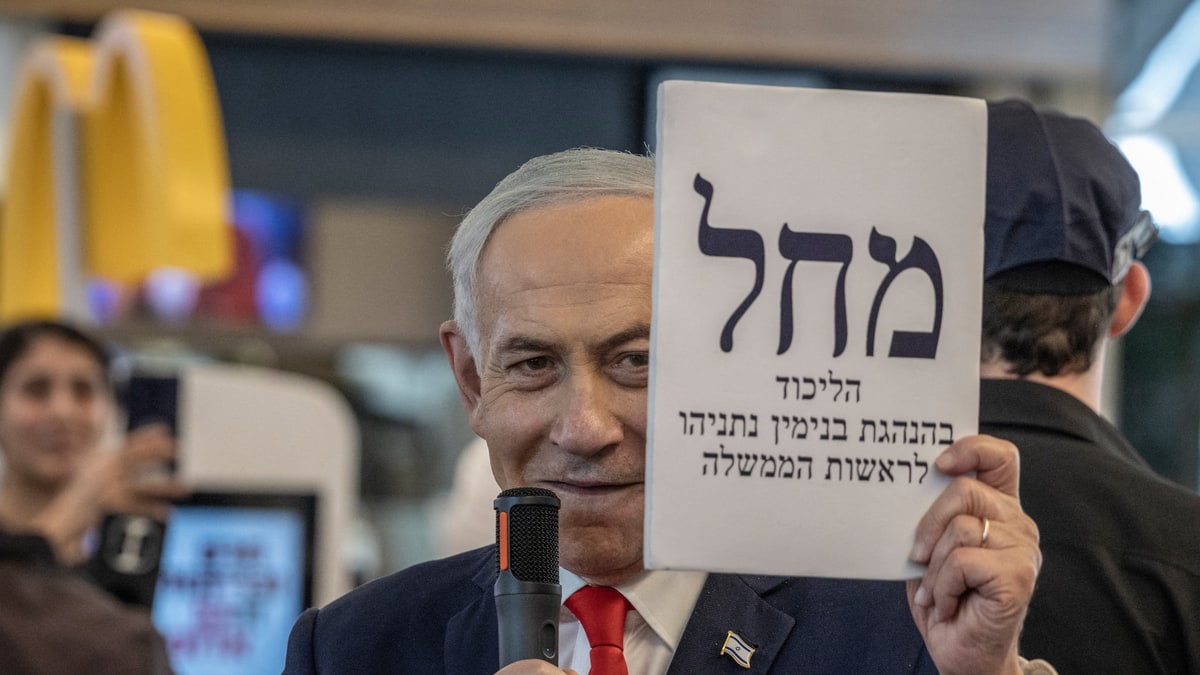
- Benjamin Netanyahu (Likud): the sitting prime minister.
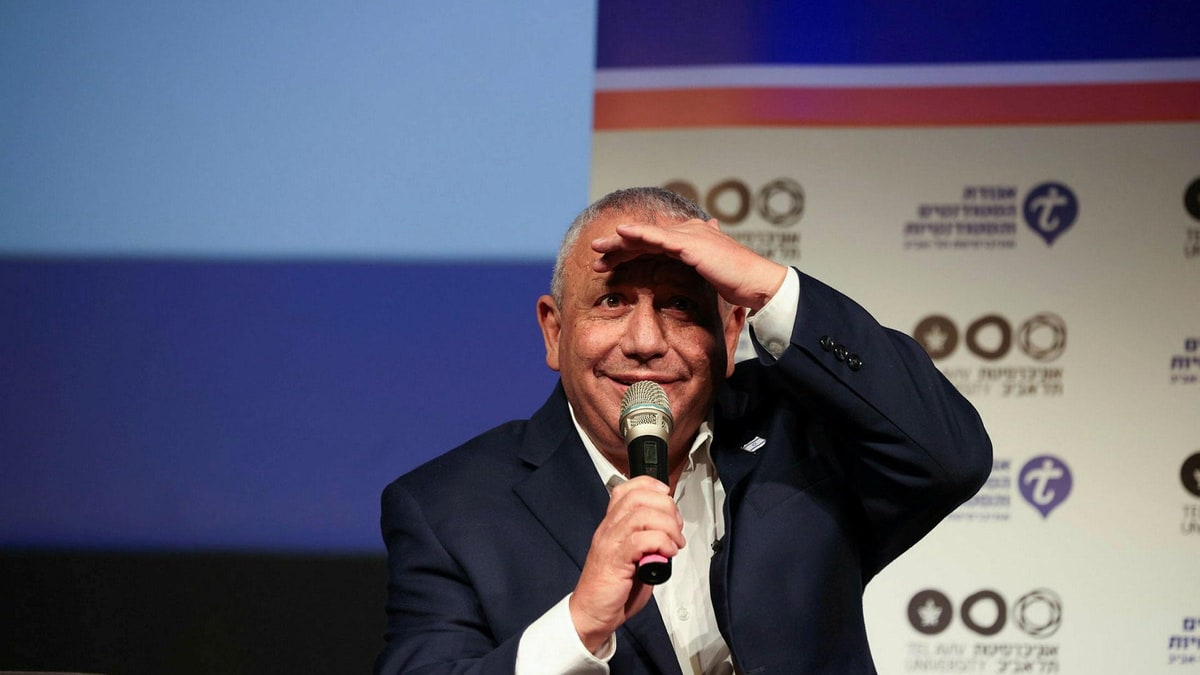
- Gadi Eisenkot (Yashar): a former army chief, now leading in recent polls.
- Naftali Bennett (Together): a former PM, running a joint list with Yesh Atid.
- Netanyahu’s far-right partners: Itamar Ben-Gvir (Otzma Yehudit) and Bezalel Smotrich (Religious Zionism).
- Arab parties: the Joint List and the United Arab List.
Benny Gantz said he would withdraw his Blue and White party from the ballot on October 19.
What the polls say
Two polls reported by Haaretz on October 19:
| Poll | Eisenkot bloc | Netanyahu bloc | Yashar | Likud |
|---|---|---|---|---|
| Channel 13 | 51 | 50 | 20 | 18 |
| Channel 12 | 55 | 51 | 24 | 21 |
Neither bloc reaches 61. Some parties in Eisenkot’s camp refuse to work with the Arab parties, which leaves that bloc short of a majority without them. A couple of small new parties are hovering around the threshold, which could tip the balance.
Why it matters for Pakistan and the region
Pakistan does not recognise Israel, but this election still matters here. Israel’s next government will shape whether the war with Iran restarts and what happens in Gaza and Lebanon. Just this week, Netanyahu showed a map placing Pakistan in a rival “Sunni Diamond” bloc with Turkey, Saudi Arabia and Egypt.
A change of PM would not automatically mean a softer Israel on Iran: Eisenkot is a former general. But it could change the tone, and the timing of any new strikes.
Expect a long count and tough coalition talks after October 27. We will report the result.
Sources
This story was researched and drafted with AI assistance, then checked and edited by our editor before publishing.