China says it 'never recognised' Ladakh after India names 28 places there
India named 28 peaks, passes and areas in Ladakh and China called it illegal. Analysts like Pravin Sawhney say the row matters for Pakistan too.
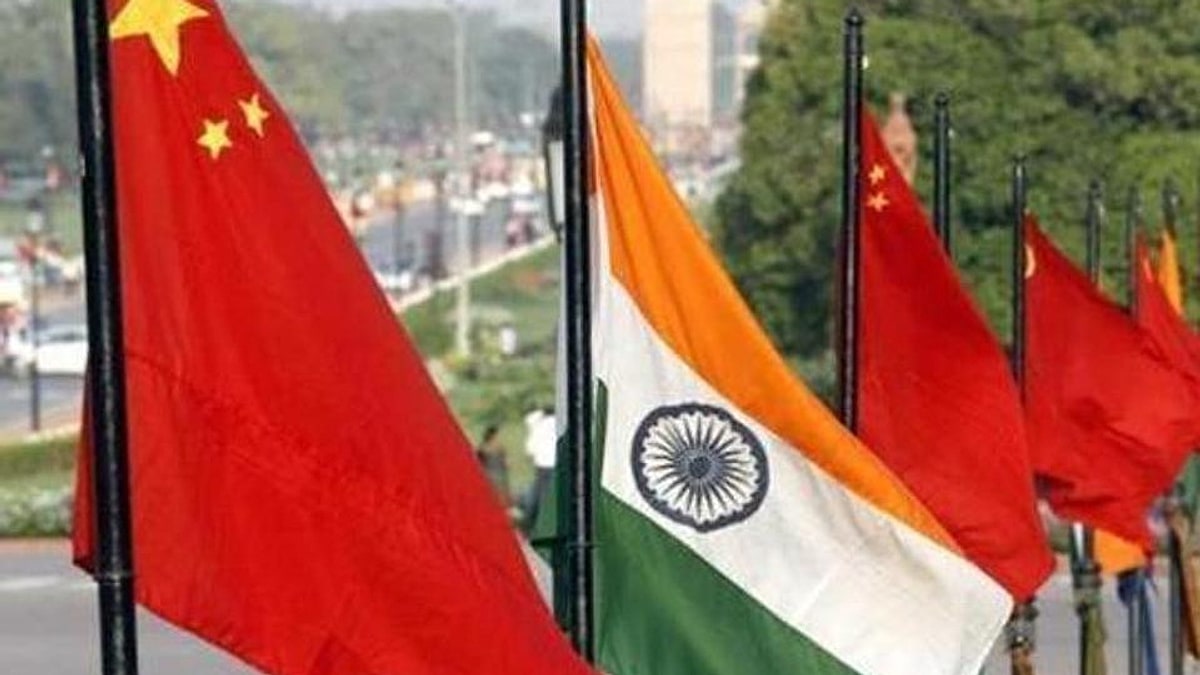
A map fight between China and India has flared up again, this time over Ladakh, the high-altitude region where soldiers from both sides clashed in 2020.
What happened
- October 2: India’s Home Ministry announced standard names for 28 places in Ladakh, including peaks, passes and land areas, and added them to the Survey of India map. India says the aim is simply to identify places accurately in official records.
- October 13: China’s foreign ministry spokesperson Mao Ning hit back at a briefing in Beijing. “China has never recognised the so-called ‘Union Territory of Ladakh’ unilaterally and illegally established by India,” she said, adding that “India’s move is illegal and invalid” and that the western section of the border has always belonged to China, as reported by The Business Standard (Bangladesh).
- India’s reply: The Ministry of External Affairs said Ladakh is an “integral and inalienable part of India” and that no denial from China can change that.
This is a tit-for-tat. China has given Chinese names to places in Arunachal Pradesh, which it calls “south Tibet”, several times since 2017. In August this year India answered with its own list of 27 names in Arunachal, and now Ladakh.
Why the timing is awkward
Relations had been slowly thawing. In an opinion piece for The Federal on October 18, journalist Subir Bhaumik notes that ties seemed to be improving after Xi Jinping attended the BRICS summit in Delhi. He argues the unsettled border keeps undoing that progress, pointing out that China holds about 38,000 sq km of Aksai Chin, which India claims, and that past agreements did not stop the Doklam (2017) and Galwan (2020) stand-offs.
What Pravin Sawhney says
Pravin Sawhney, a former Indian Army officer and editor of FORCE magazine, has spent years warning that India underestimates China. His YouTube analyses are widely watched in Pakistan too, and a Hindi video billed as a Sawhney exclusive this week took up China’s Ladakh claim.
His core argument, made since the 2020 clashes, is that the Ladakh crisis hurt India far beyond the border. At a 2020 webinar reported by The News, he said it had created problems with all of India’s neighbours, pushed Beijing and Islamabad closer, and could speed up CPEC. He blamed a “lack of principled engagement” with the neighbourhood and urged Delhi to engage China “in a principled manner”. In his 2022 book The Last War, he went further, arguing India was preparing for the wrong kind of war against China’s high-tech military.
Those are his views. Many Indian officials and analysts strongly disagree with them.
Why it matters for Pakistan
Ladakh borders Gilgit-Baltistan, and China and Pakistan are close strategic partners. Any India-China tension along the Line of Actual Control (LAC) shapes India’s military planning on Pakistan’s border too. So far, though, this is a war of words and maps, not troop movements.
Sources
This story was researched and drafted with AI assistance, then checked and edited by our editor before publishing.