US and Israel plan Iran strikes after the midterms, reports say, as US diplomats leave Saudi Arabia
A New York Times report says strikes could follow the November 3 vote. Trump hasn't approved them, and US staff are being pulled out of Saudi Arabia.
Two pieces of news landed on the same day this week, and together they explain why the Gulf feels tense again.
The strike plans
The New York Times reported, citing US officials and others briefed on the matter, that the United States and Israel have drawn up plans for renewed strikes on Iran after the US midterm elections on November 3. The Times of Israel and The Express Tribune both carried the report.
According to that reporting:
- The plan is for “a short but intensive operation”.
- Possible targets include Iran’s energy sites, nuclear facilities and missile and drone stockpiles, reportedly including the deeply buried nuclear site known as Pickaxe Mountain near Natanz.
- The two militaries have stepped up drills, including flights over Iraq that simulate strike runs.
- US Defence Secretary Pete Hegseth met Israeli Prime Minister Benjamin Netanyahu this week.
The important caveat: President Trump has not approved any strikes, and he has repeatedly turned down plans for a return to major combat this year. Earlier this month he said: “We will not be attacking Iran at any time prior to the Midterm Elections.” A White House official said the administration does not comment on plans “that may or may not exist”.
At a South Carolina rally on Wednesday, Trump said the US was not negotiating with Iran and that something would happen “fairly soon” one way or the other.
Diplomats out of Saudi Arabia
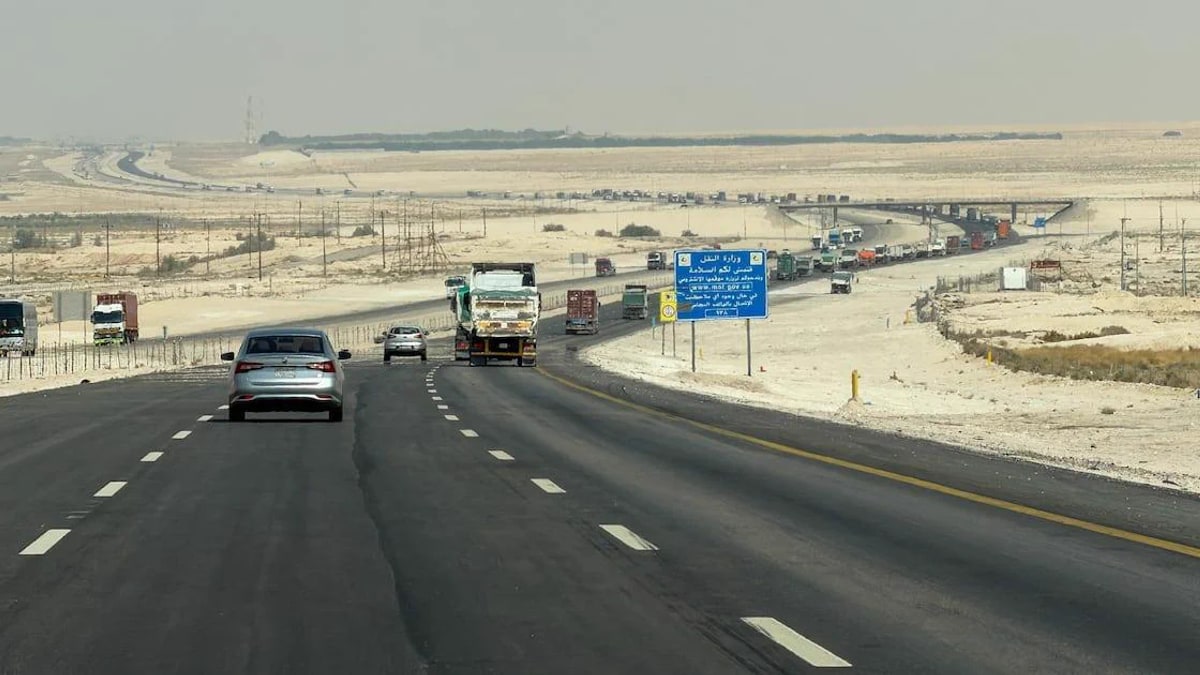
On the same day, the US State Department ordered non-emergency government staff and their families to leave Saudi Arabia. Spokesperson Tommy Pigott blamed “Iranian-supported Houthis” for growing attacks on the kingdom. Reuters reported that families at US missions in other Gulf states will also be told to leave.
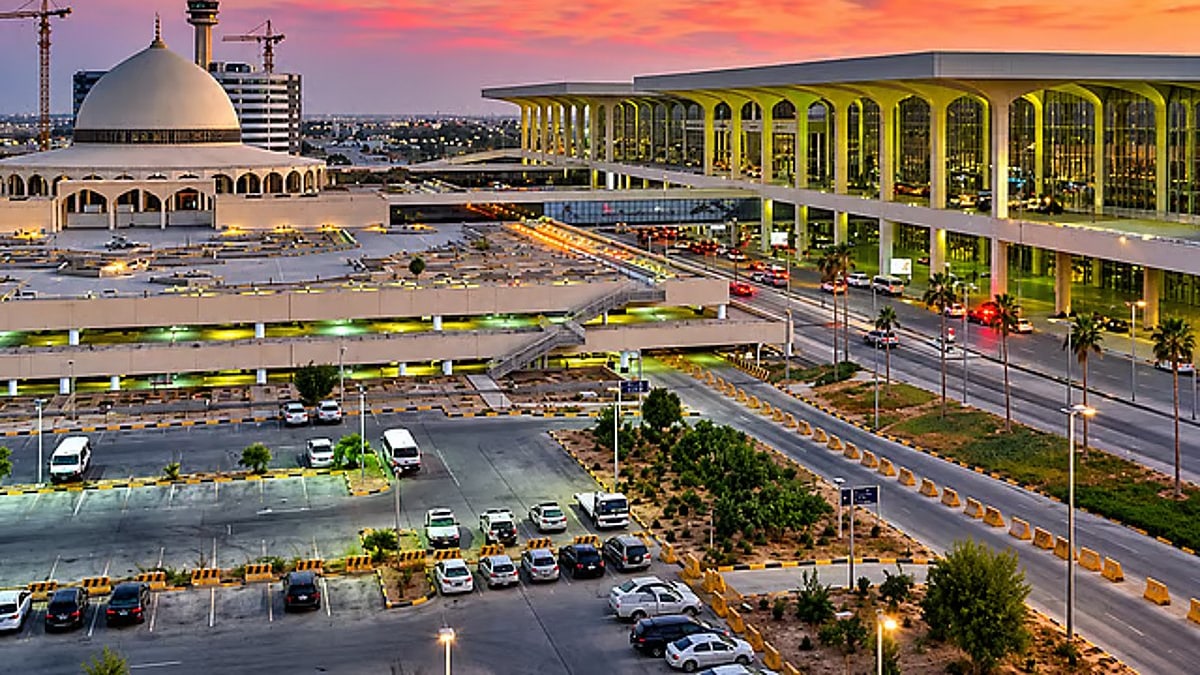
This came hours after an attack on King Fahd International Airport in Dammam killed two people, and a drone attack near Aramco’s Shaybah oil field.
Talks are still alive, just
Iran’s foreign minister Abbas Araghchi says indirect talks continue on a seven-day ceasefire proposal, with Pakistan and Qatar carrying messages. Oil has stayed above $108 a barrel as traders wait for the US vote.
Why it matters for Pakistan
Millions of Pakistanis live and work in Saudi Arabia and across the Gulf. A wider war would put them at risk and threaten the remittances millions of families depend on. It would also push oil prices higher at a time when the IMF already expects our economy to shrink. That is why Pakistan’s mediation, led by Field Marshal Asim Munir, is being watched so closely in Islamabad.
Sources
- The Times of Israel: US and Israel said to draft plans for resumed strikes on Iran after midterm elections
- The Express Tribune (Reuters): Iran's IRGC Navy says seven vessels hit, warns US of wider response
- The Diplomatic Insight: US pulls diplomats from KSA amid Houthi attacks and plans for post-midterm Iran strikes
- QNC News: US orders diplomats out of Saudi Arabia as Houthi strikes raise fears of new Iran conflict
This story was researched and drafted with AI assistance, then checked and edited by our editor before publishing.