Europe's cost-of-living anger: France sees its worst unrest in years as Italy braces for a general strike
About 550,000 marched in France and nearly 2,400 were arrested. Clashes spread across Italian cities. Here is what is happening and why it matters.
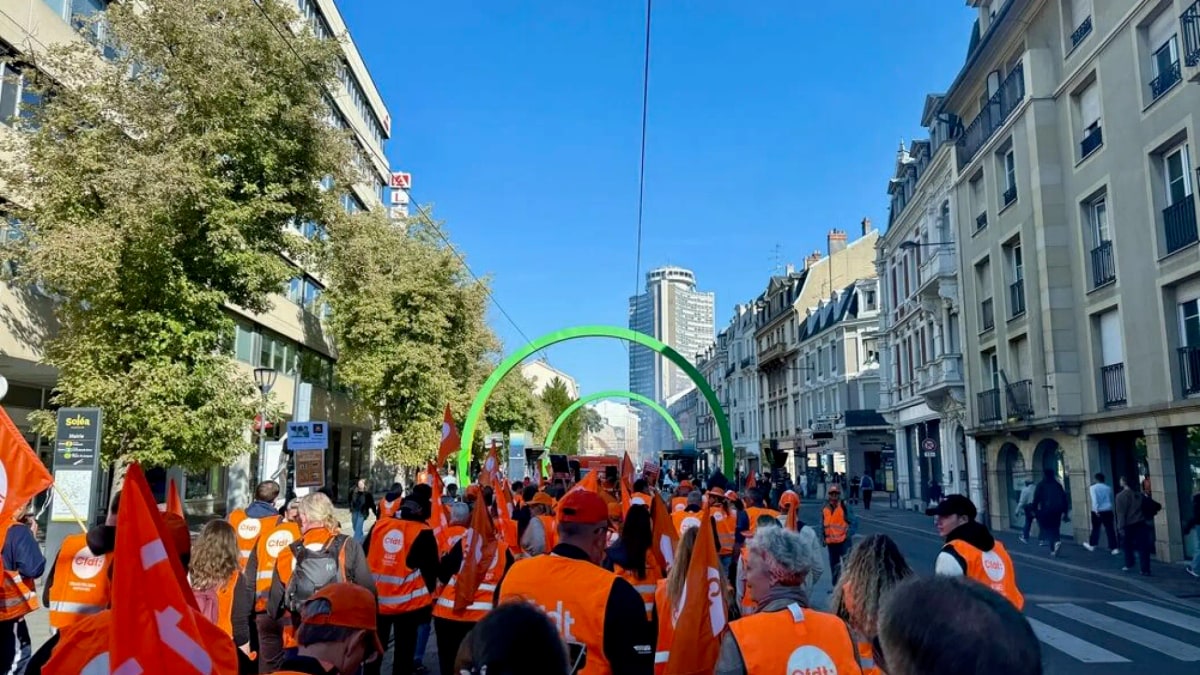
Rising prices have pushed people onto the streets in two of Europe’s biggest economies this weekend, and both governments face a tense week.
France: the worst unrest in years
Cost-of-living protests in France have become the country’s worst unrest in years. About 550,000 people marched on Saturday. Nearly 2,400 people were arrested and almost 1,000 police officers were injured.
The timing matters. On Tuesday, France’s parliament votes on the first part of Prime Minister Sébastien Lecornu’s 2027 budget, which aims to save €54 billion. France’s public debt reached €3.6 trillion, or 119% of GDP, in the second quarter. President Macron has ordered a review of how police prepared, and some unions have called more protests for 5 November.
Italy: clashes in Milan, strike called
In Italy, clashes in Milan continued for a second day, with at least four officers and 20 demonstrators hurt on Saturday. There was also unrest in Turin, Bologna and Bergamo, and thousands marched in Rome.
Maurizio Landini, leader of Italy’s biggest union CGIL, has called a general strike for 20 November. Prime Minister Giorgia Meloni condemned the violence and called a security meeting for Monday.
Why it matters in Pakistan
Many Pakistani families have relatives working in France and Italy, and strikes can hit transport, offices and remittance schedules. Inflation is a global story: the same pressure on wages and prices that Pakistan has lived through is now testing governments in Europe.
Figures are from reports summarised by 10 Things, which links to the New York Times, CNBC, Le Monde and DW.
Sources
This story was researched and drafted with AI assistance, then checked and edited by our editor before publishing.