Asim Munir's Tehran talks: what Iran told Pakistan's army chief, and why there was no breakthrough
Iran's president, speaker and security chief all gave Field Marshal Asim Munir the same message: lift sanctions first, then we talk.
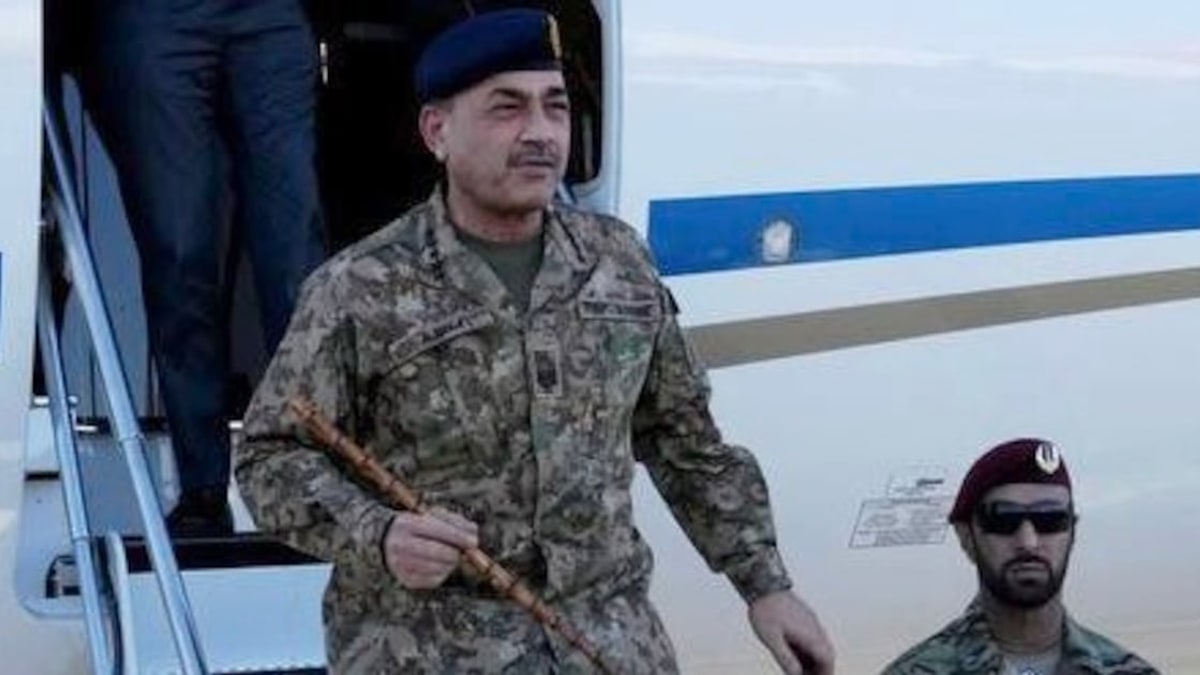
Field Marshal Asim Munir flew into Tehran on Tuesday, October 20, for another round of shuttle diplomacy between Iran and the United States. He left the same day without any announced breakthrough, and the Iranian side was unusually blunt about why.
Who he met
Munir met three of Iran’s most powerful figures: President Masoud Pezeshkian, Parliament Speaker Mohammad Bagher Ghalibaf and Mohsen Rezaei, secretary of the Supreme National Security Council.
The message: sanctions first, talks later
All three Iranian leaders said much the same thing.
- Pezeshkian told Munir that Washington must first remove threats and sanctions before talks can resume. According to Iran International, he said Iranians do not trust America and fear that if they negotiate, “they will attack us again”. He also thanked Pakistan for its efforts and warned another war would bring destruction to the whole region.
- Ghalibaf said Iran had nothing new to offer. He accused the Trump administration of breaking the Islamabad memorandum of understanding and said military threats would not change Iran’s demands, which Tehran has listed as seven conditions.
- Rezaei drew a hard line on the nuclear file: “Not even a particle of enriched nuclear material will leave Iran,” he was quoted as saying.
What Iran is asking for
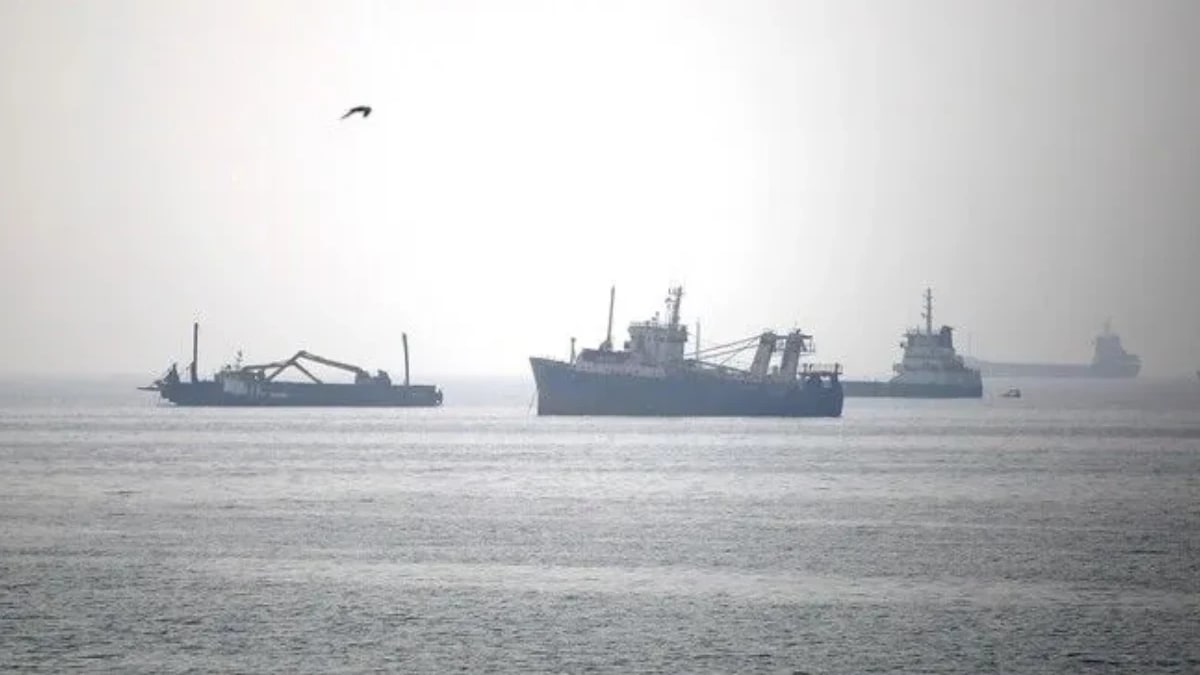
The National reports that Iran’s proposal is to reopen the Strait of Hormuz within seven days, under its own control. In return it wants the US naval blockade lifted, oil export limits eased, frozen assets released and fighting stopped on all fronts, all before any nuclear talks begin.
A reported money-for-access idea (unconfirmed)
An Arabic outlet, Al-Araby Al-Jadeed, reported that Qatar and Pakistan floated a plan to pay Iran the interest on about $6 billion of its frozen money held in Qatar, in return for access to nuclear sites, and that Munir carried the idea. This has not been confirmed. An Iranian parliamentary spokesman said the visit was about bilateral ties and border cooperation, not a new initiative.
Why it matters in Pakistan
Pakistan is not a bystander here. The IMF now expects Pakistan’s economy to shrink this year largely because of the Iran war, and oil was close to $110 a barrel around the visit. Every time mediators make progress, oil prices tend to ease, and that feeds straight into our petrol prices and electricity bills.
There is also politics on the other side. Reuters, as cited by The National, quoted Iranian officials saying Tehran sees little chance of a deal before the US midterm elections on November 3. So the realistic expectation is more shuttle trips, not a signed deal, in the next two weeks.
A Qatari delegation arrived in Tehran after Munir left, so the mediation channel is still open. We will keep following it.
Sources
This story was researched and drafted with AI assistance, then checked and edited by our editor before publishing.