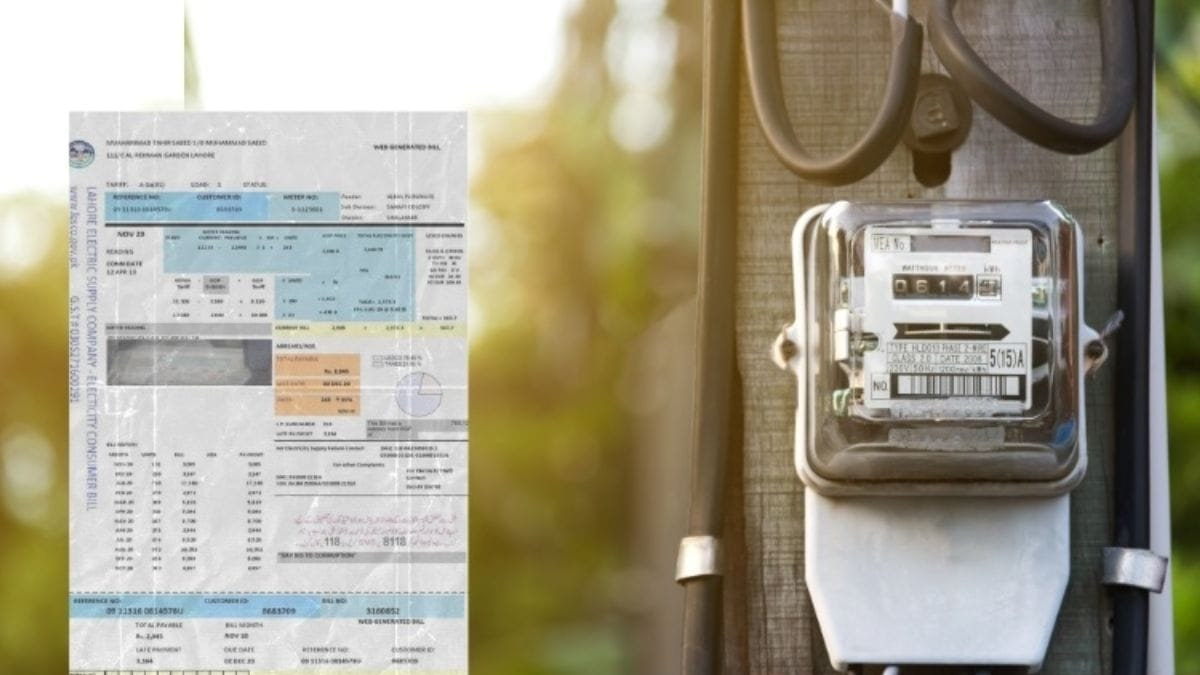
12 practical ways to cut your electricity bill in Pakistan, from AC settings to peak hours
Simple changes at home, from AC temperature to LEDs and timing your washing machine, that make a real difference on the bijli bill.
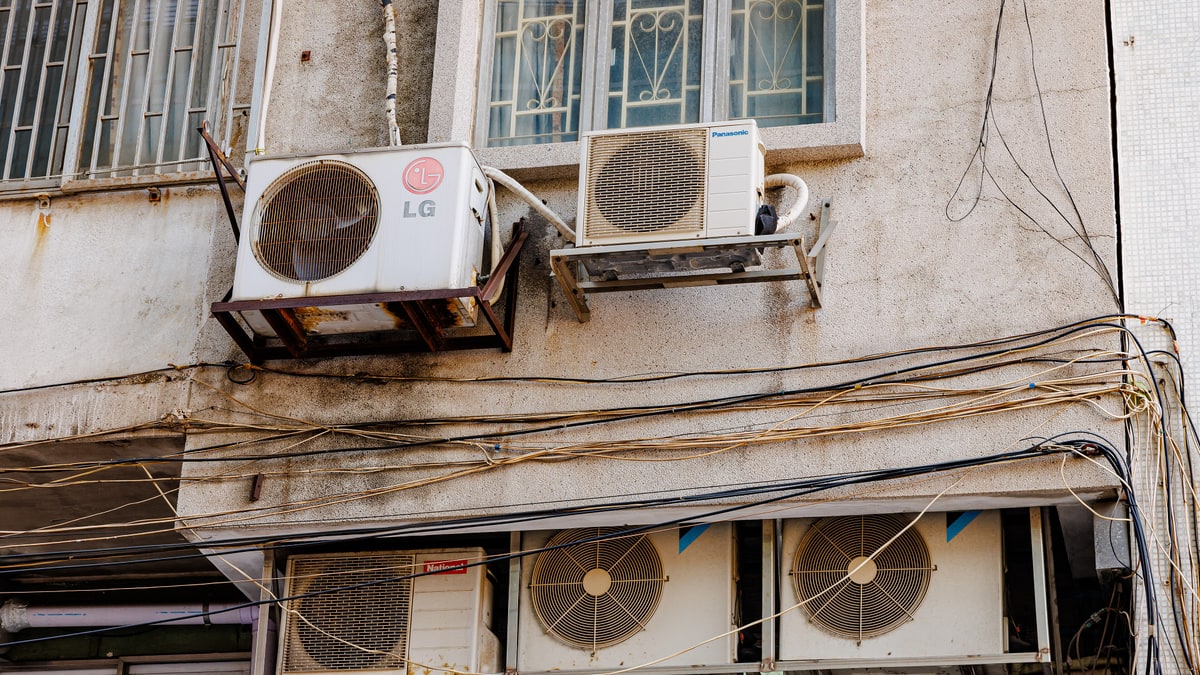
Electricity bills are one of the biggest monthly worries in Pakistani homes, and with oil prices high because of the Iran war, they are unlikely to get cheaper soon. The good news: a lot of the bill is in your hands. Here are practical tips, most of which cost nothing.
Cooling (the biggest part of the bill)
- Set the AC to 26°C, not 18°C. Feroze Power estimates each degree below 24°C adds about 6% to the AC’s consumption.
- Run a ceiling fan with the AC. The fan uses a tiny fraction of the AC’s power and lets you keep the thermostat higher.
- Clean AC filters regularly. A dusty filter makes the compressor work harder. Monthly cleaning in summer is a good habit.
- Buying a new AC? Choose inverter. Feroze Power estimates an inverter AC uses about 30-40% less electricity than a standard one. It costs more upfront but can pay back within a few summers if you use it daily.
- Keep the sun out. Close curtains on sunny windows. In Karachi, a light-coloured or white roof can cool the house noticeably.
Lights and appliances
- Switch every bulb to LED. A 9W LED gives roughly the light of a 60W old-style bulb.
- Kill standby power. TVs, chargers, consoles and microwaves on standby can add a noticeable share to your bill. Switch off at the plug.
- Old fridge? Inverter fridges use noticeably less power than old compressor models. Also keep the fridge away from the wall and the stove, and don’t leave the door open.
- Geyser smartly. An electric geyser is a power-hungry appliance. Use a timer, or consider a gas or solar water heater.
- Check your UPS battery. A worn-out battery makes the UPS draw more power all day.
Timing (if you have a peak-hour meter)
-
Avoid peak hours for heavy loads. If your connection is 5 kW or more, usually three-phase, you are on a time-of-use (TOU) meter and pay more during a four-hour evening peak. According to Bijli Bills, the residential peak rate is about Rs46.85 versus Rs34.53 off-peak for ex-WAPDA companies. Peak hours for these companies are roughly:
- December-February: 5pm-9pm
- March-May and September-November: 6pm-10pm
- June-August: 7pm-11pm
K-Electric uses 6pm-10pm (November-March) and 6:30pm-10:30pm (April-October). Run the water pump, washing machine and iron outside these hours.
If you are under 5 kW, you are on normal slab billing, so timing does not change the rate. Staying under slab limits matters more (see our guide to the 200-unit rule).
The long game
- Solar for your own use. Even after the new net billing rules, panels that power your daytime fans, motor and AC can cut the bill a lot. Size it for your own use, not to sell units back.
Start with the free tips (AC temperature, standby, timing) this week and check how your next bill compares.
Sources
This story was researched and drafted with AI assistance, then checked and edited by our editor before publishing.